

Research project
Fashion in fairy tales and children’s literature
Clothing, accessories and footwear make visible the cultural histories, social meanings and imaginative transformations carried by the fairy tale.
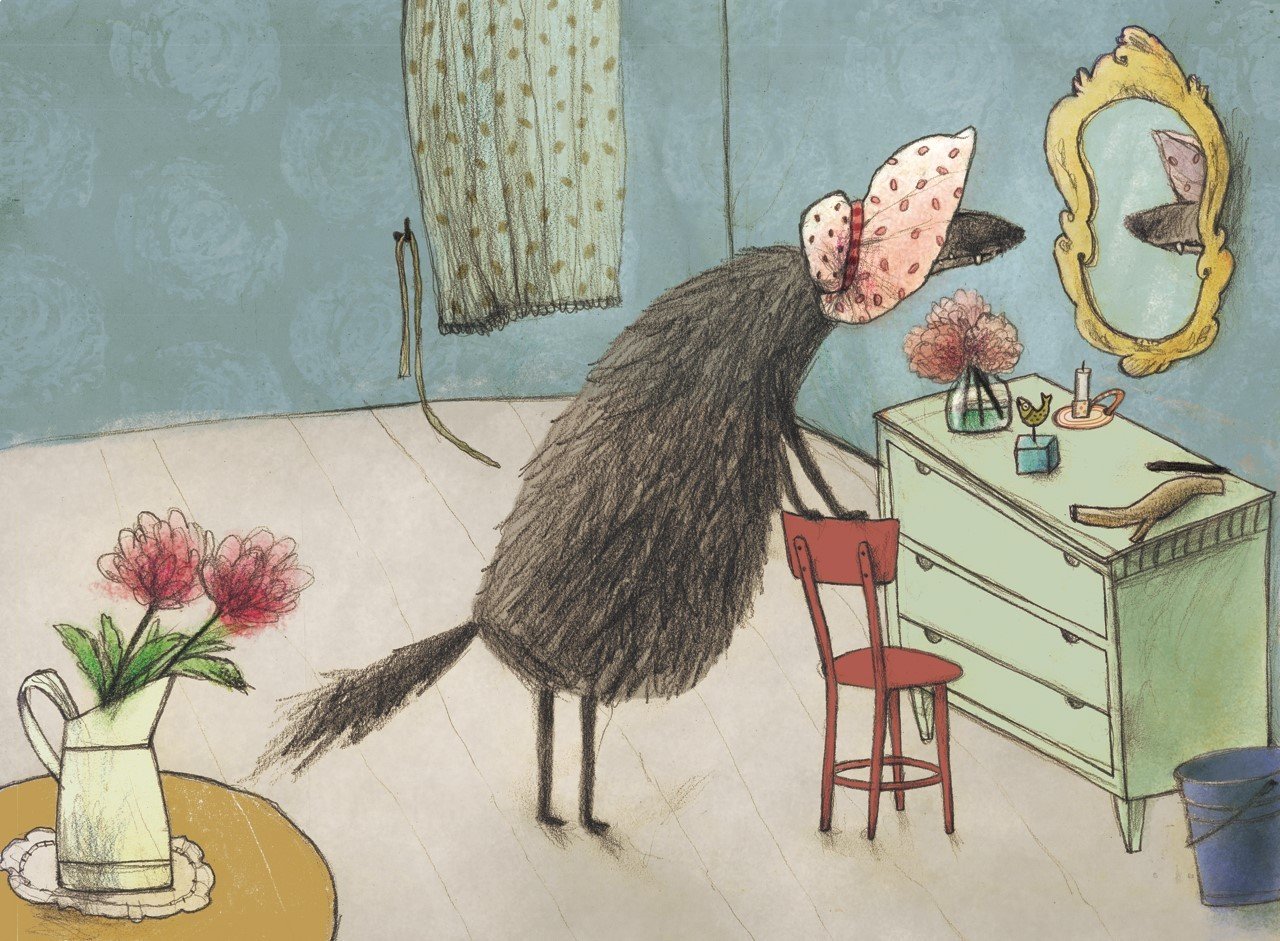
An interdisciplinary approach
Reading the fairy tale through what it wears.
This project brings sartorial studies into conversation with the history of children’s literature, visual culture and fairy tale scholarship. Dress carries cultural and narrative work through status, desire, protection, transformation, labour, gendered expectation and the passage between social worlds.
- 01Material culture
Garments and accessories as crafted objects with historical forms, materials and uses. - 02Narrative function
Dress as an agent of recognition, disguise, mobility, metamorphosis and social distinction. - 03Visual retelling
Illustration as a site where inherited figures are newly clothed for changing readers and cultural contexts.
Research questions
Objects that set stories in motion
Fairy tales recurrently turn clothing into a decisive narrative object. The project asks how this material vocabulary shapes a reader’s understanding of characters, plots and the historical worlds that stories remember, revise and imagine.
How does clothing matter in children’s books and fairy tales?
Which visual and textual conventions have dressed classic characters across time?
How can a garment, accessory or shoe alter a tale’s social and imaginative possibilities?
Selected publications
A growing scholarly wardrobe
These publications bring historical inquiry, comparative reading and attention to illustrated retellings into a sustained account of fairy tale dress and materiality.
Slippers, Shoes, Clogs, Galoshes, and Boots: The History and Materiality of Footwear in European Fairy Tales
Campagnaro, M. Marvels & Tales, 38(2), 230 to 244. The study examines footwear as a material and symbolic object across European fairy tale traditions.
Clothing the Child in Red: A Historical and Comparative Analysis of Italian Visual Retellings of the Grimms’ “Little Red Riding Hood”
Campagnaro, M. Strenæ, 18. A comparative study of Italian visual retellings and the clothing that distinguishes their figures.
Corone e berretti, drappi e mantelli, perle e fazzoletti
Campagnaro, M. “Per una nuova classificazione dell’accessoristica fiabesca fra storia, moda e infanzia.” ZoneModa Journal, 8(2), 61 to 75.
Scholarly activity
From the wardrobe to the room
The project’s questions have informed conference discussion and research exchange.
-
“Beyond the slipper. History and materiality of footwear in European fairy tales”
Presentation in the University of Bologna and University of Padua conversation on fairy tales in the lead up to the IBBY International Congress 2024.
Read the event record -
A Fabulous Wardrobe: Fairy Tale Clothing Functions, Fashion and History
Conference contribution addressing the functions, historical traces and visual representations of fairy tale clothing and accessories.
Open the University of Padua record
Dress is a way of telling.
Across the fairy tale tradition, a hood, a cloak, a crown or a shoe can hold together material history and imaginative form.